
How to Survive Dispatch Stress
The SRT Project and Commonwealth Police Legacy have joined forces to present this PROACTIVE course designed to equip participants with essential tools and strategies for stress management. This training goes beyond conventional methods by offering proactive techniques to reduce stress before it reaches overwhelming levels for both the mind and body.
What You’ll Learn
-

The Physical Component of Stress
Explore how stress manifests physically in the body, learn techniques to alleviate physical tension, and discover tools and techniques to mitigate stress and enhance your well-being.
-

The Mental Component of Stress
Identify negative thought patterns contributing to stress, explore strategies for interrupting and reframing these thoughts, and develop mindfulness techniques to cultivate mental resilience.
-

The Emotional Component of Stress
Navigate and regulate emotions effectively, discover techniques for finding emotional balance and stability, and build skills for stress resilience.
-

The Prolonged Component of Stress
Explore strategies for managing prolonged stress, including suicide prevention, peer support networks, and Critical Incident Stress Management (CISM), recognizing first responders' unique and demanding roles.
Meet Your Instructors
-
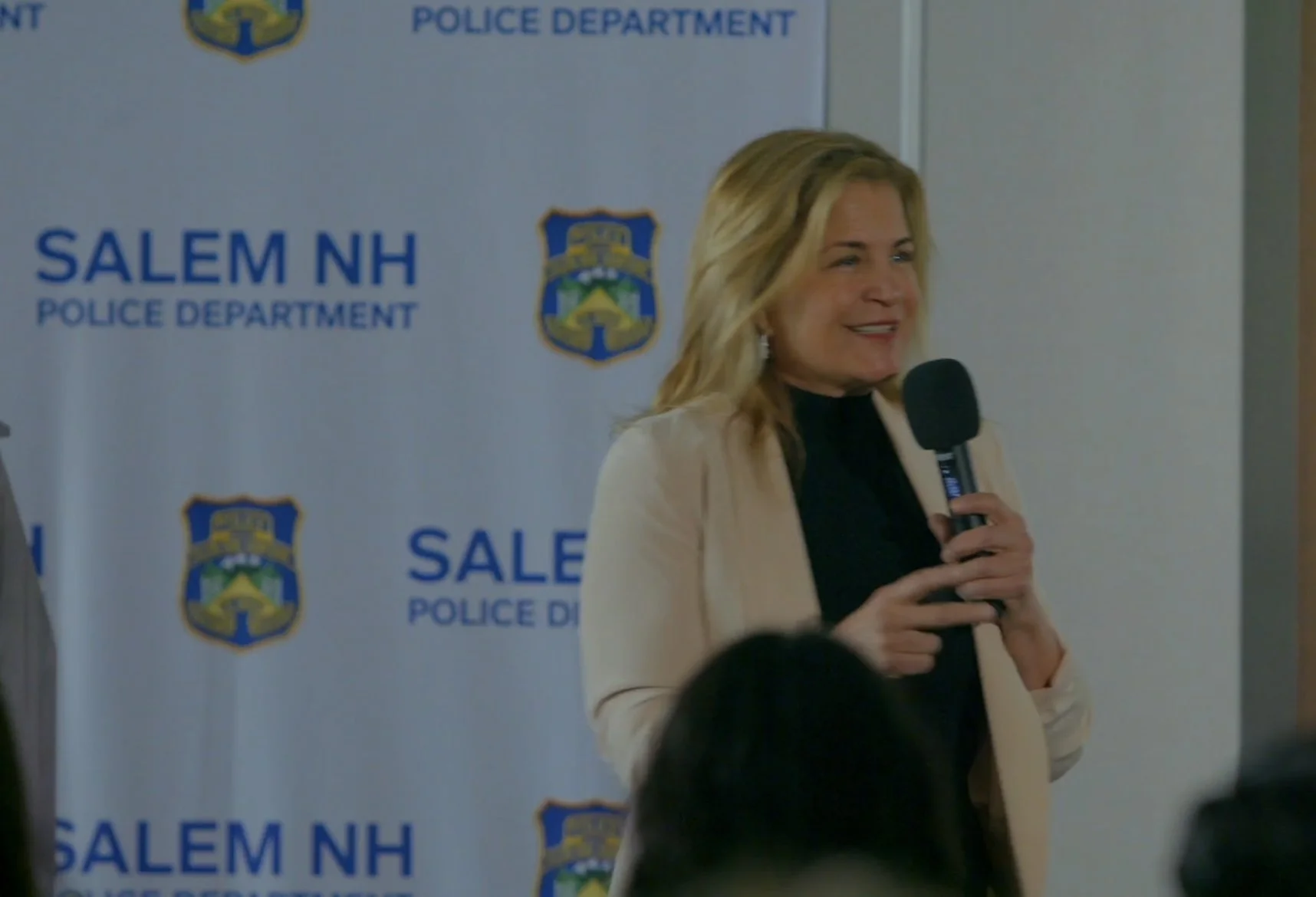
Eileen
For over two decades, Eileen has been helping people stress less within our community. Since then, she has been helping people overcome their challenges, feel better, and achieve their goals.
Ten years ago, Eileen's passion for stress management took a new form with the founding of the SRT Project, a stress management training initiative designed specifically for first responders. The project was born out of a transformative private session with an exhausted and anxious police officer who had received no stress management training. This encounter inspired Eileen to develop a comprehensive program that incorporates techniques such as mindfulness, resilience building, and stress reduction. Since then, the SRT Project has been instrumental in helping hundreds of first responders effectively manage their stress and improve their mental health.
-

Adam
Adam Winkler is a career-long law enforcement professional passionate about Mental Health and believes in making it a priority for first responders. Adam has worked in local, county, and state agencies in NH since 1999 and has experience in accident reconstruction, motorcycle patrol, and investigations; and for several years has been working toward Mental Health friendly workplaces. Adam is trained in suicide prevention instruction as well as other mental health curriculums, presenting to several workplace and public audiences. Adam has been trained by ICISF in both group and individual crisis intervention and is a leader in CISM/Peer Support Teams for First Responders.
Adam has been a contributor to the SRT project since its inception and is very excited about its mission, helping to create Stress and Resilience Training and reducing the stigma surrounding mental health for first responders.
How to Survive Dispatch Stress

